Sustainability and Carbon Footprint
acting responsibly
Sustainability is one of the biggest issues facing our sector and it is one of the most complex. Identifying the right way forward and making the most environmentally and ethically sustainable choices is challenging.
Selden is a committed and active member of the CHSA as is actively working on a self improvement program to be a sector leader in not just what we do but how we do it.
The CHSA Roadmap to Sustainability is designed to help members move in the right direction, whatever the starting position.
The Roadmap to Sustainability identifies five pillars to sustainability in the sector.

General headings to fill in
The five pillars of Sustainability
Product
1. More product is produced using less resources. A good example is the use of
concentrates instead of ready to use formulations.
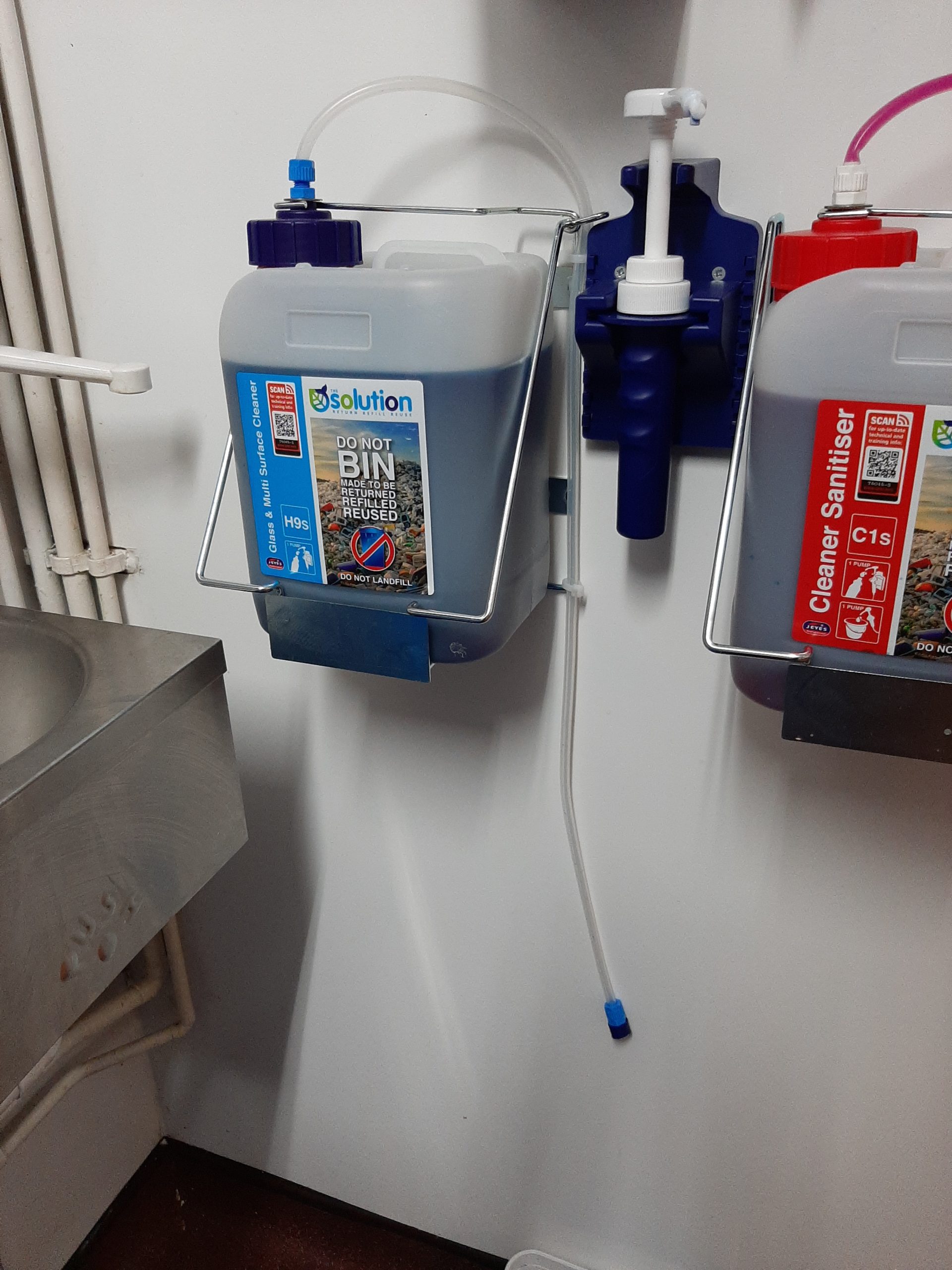
2. Reduce waste by designing the product to increase the recapture of resources at
the end of the lifecycle. Where this is not possible the end-of-life disposal options
should be reviewed with the aim of moving up the waste hierarchy, away from
landfill.
Packaging
This includes manufacturer’s packaging as well as that used by distributors as they re-pack the product for its last few miles to the end user. Packaging should be designed to be recycled, reused or refilled and contain recycled content if possible. A minimalistic approach is needed. Less is definitely more. Packaging should use minimal resources. Where the end-of-life option is recycling, it should be made as easy as possible for users to recycle it. This includes, for example, considering the use of plastic labels and the ease with which labels can be removed so pallet wrap can be more easily recycled in the UK, with increasing quality of recyclate. We also advocate a fresh approach to transit packaging. Manufacturers and distributors need to work together creatively to minimise the materials required to create the pallets of mixed products customers want.
Transport
Encompasses raw material into the factory, delivery of finished product to distributors and subsequently on to the end user
This pillar is complex so the Roadmap is initially focused on two points:
1. The product design should accommodate the optimisation of distribution. For
example, designing the product and packaging so more can be transported in
the same space.
2. Reduced emission transport options are preferred. This includes, for example,
transitioning to electric vehicles and optimising loads and delivery routes?
Social Values
Our ethics, CSR, and ensuring that we only source from ethically and sustainable suppliers Mental wellbeing, personal development and corporate social responsibility sit in this pillar. It also encompasses the overall ethical approach of the business. This includes sourcing from suppliers who are ethically and environmentally responsible as well adopting prompt payment terms and policies covering issues like modern slavery.
Environmental Impact
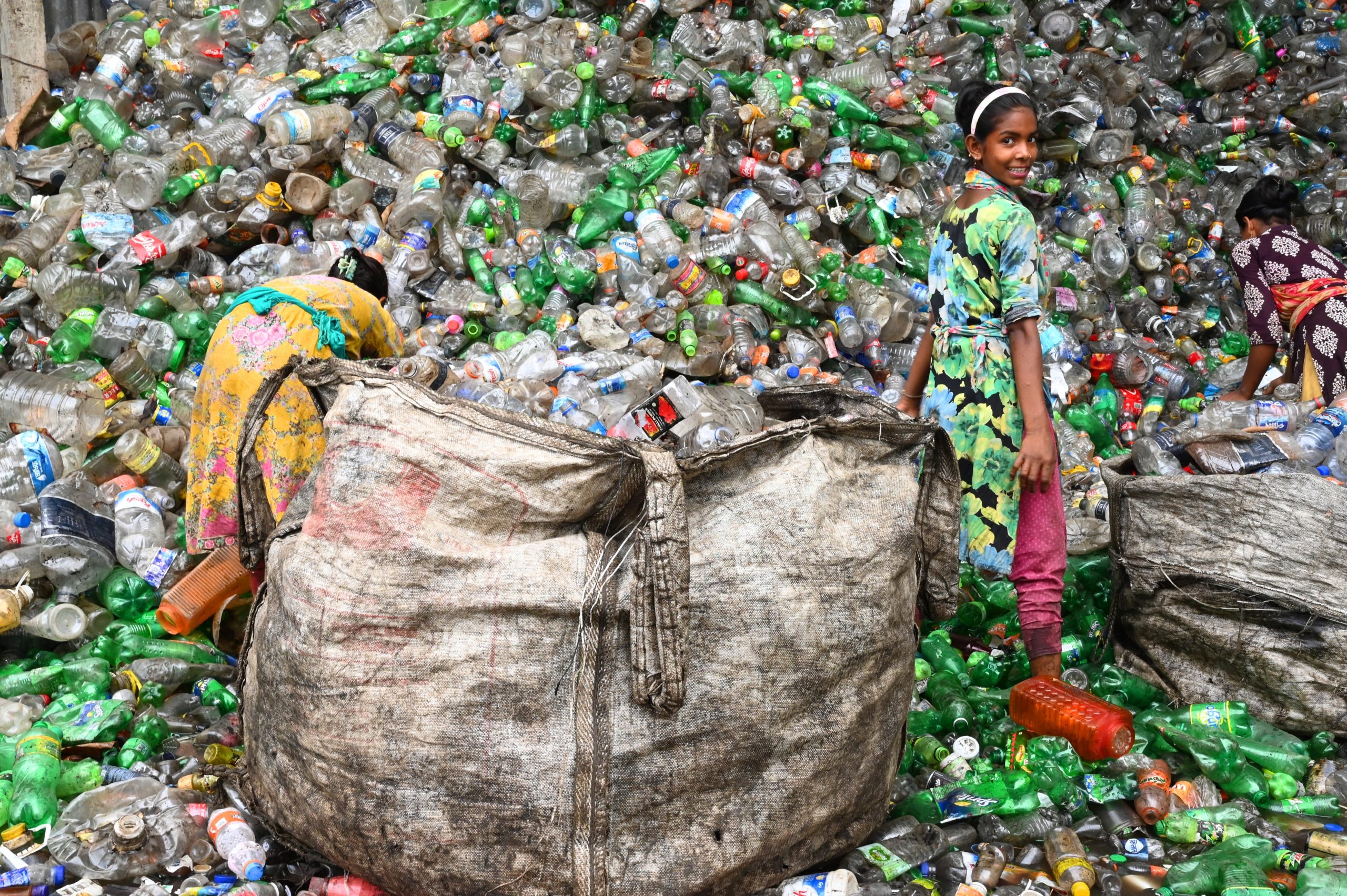
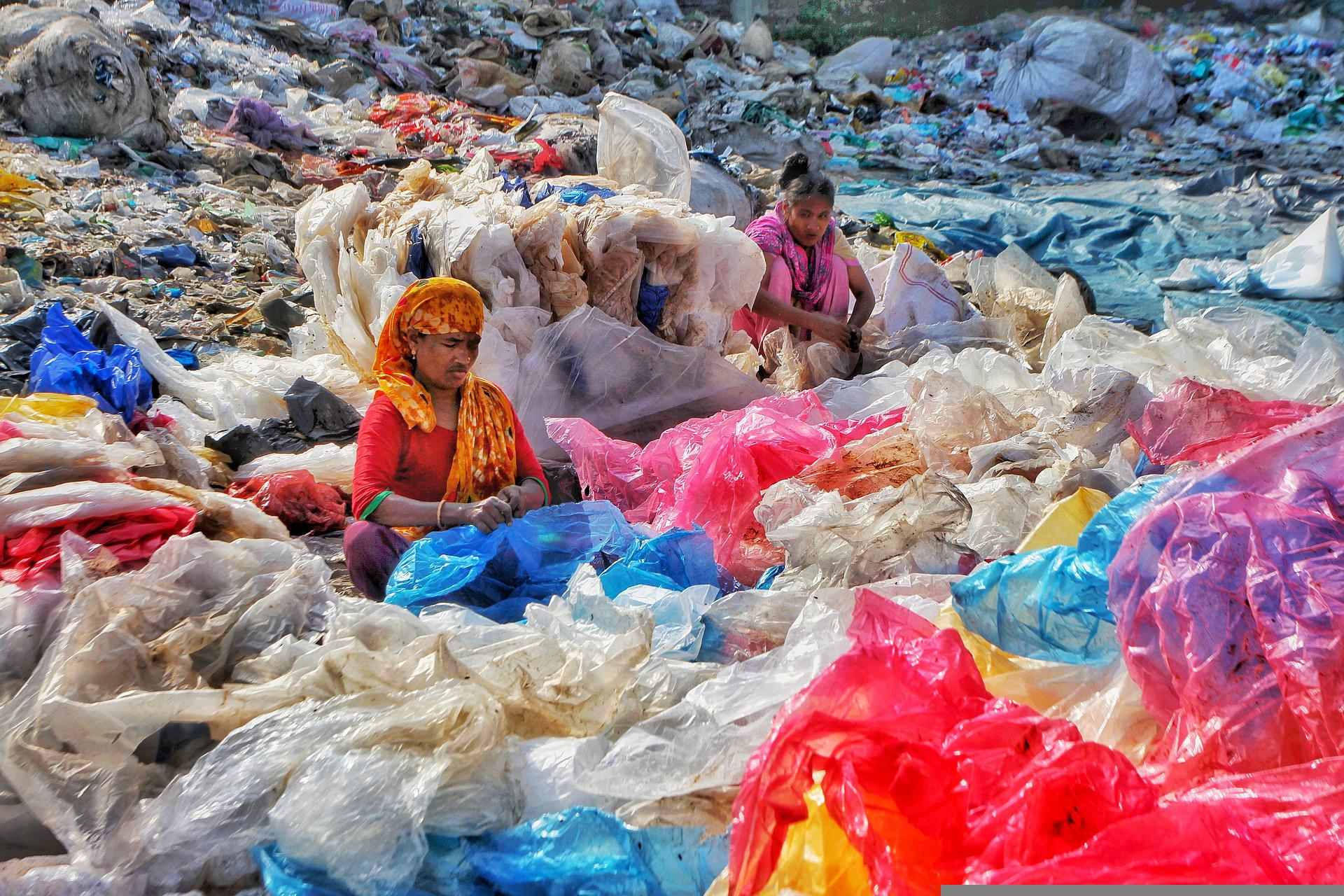
The corporate and environmental impact covering waste, emissions and water. Reduce waste to landfill: understand and measure existing waste and, equipped with this information, reduce waste. Reduce greenhouse gas emissions: Scope 1 covers direct emissions from owned or controlled sources. Scope 2 covers indirect emissions from, for example, the generation of purchased electricity, and Scope 3 covers all other indirect emissions from the company’s value chain. Develop and implement strategies for reducing these emissions. Optimise water use: understand existing water usage to optimise its use. For example, is it grey or drinking water? What are spillage and leakage rates? What is the quality of discharged water?